
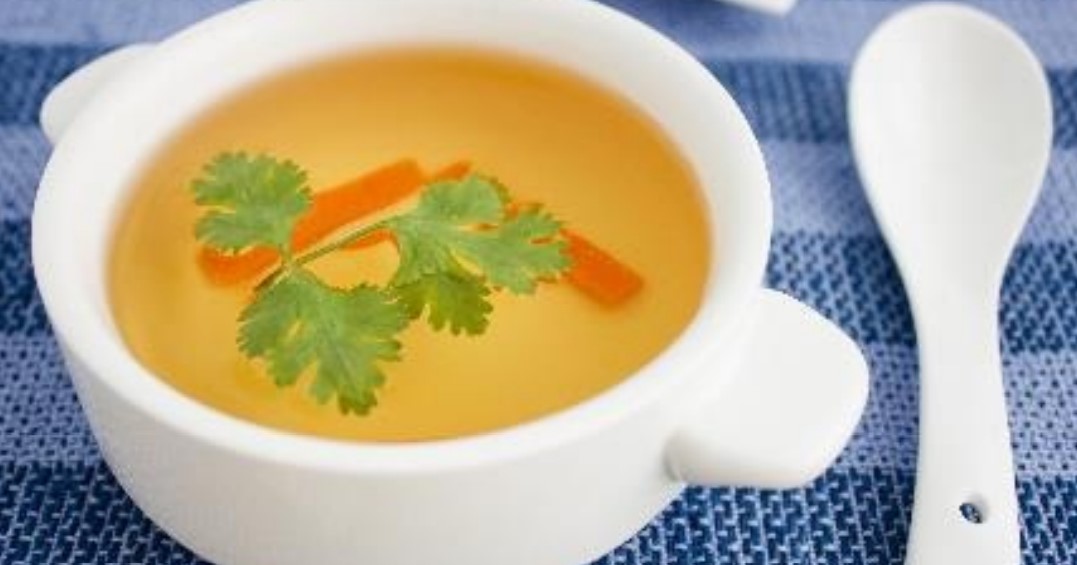
Vegetable broth is a flavorful liquid made by simmering a combination of vegetables, herbs, and spices in water. It serves as a versatile base for soups, stews, sauces, and various other dishes. Vegetable broth is a popular choice for those following vegetarian, vegan, or plant-based diets, as it provides a rich and savory flavor without using meat or animal products.
ALLERGIES:
- SF (Shellfish)
- GF (Gluten)
- DF (Dairy)
- EF (Egg)
- NF (Nuts)
INGREDIENTS:
- 1 tbsp. coconut oil
- 1 large onion, chopped
- 2 stalks celery, including some leaves
- 2 large carrots, chopped
- 1 bunch green onions, chopped
- 8 cloves garlic, minced
- 8 sprigs fresh parsley
- 6 sprigs fresh thyme
- 2 bay leaves
- 1 tsp. salt
- 2 quarts water
INSTRUCTIONS:
- Put all ingredients in the slow cooker.
- Cook on low heat for 4 hours.
- Let the broth cool to warm room temperature.
- Strain the broth to remove the solids.
- Keep the broth chilled and use or freeze it within a few days.
Enjoy your homemade broth! It can be used as a base for soups, stews, or any other recipe that calls for vegetable broth.
ABOUT VEGETABLE BROTH:
Here are some key points about vegetable broth:
- Ingredients: Vegetable broth typically includes a variety of vegetables such as onions, carrots, celery, garlic, and herbs like parsley, thyme, and bay leaves. Additional vegetables like green onions, broccoli stalks, and celery root can also be used to enhance the flavor.
- Flavor Profile: Vegetable broth offers a mild and savory flavor profile. The combination of vegetables, herbs, and spices provides a well-rounded taste that can enhance the overall taste of dishes.
- Nutritional Benefits: Vegetable broth is low in calories and fat, making it a healthy alternative to meat-based broths. It contains various vitamins, minerals, and antioxidants from the vegetables and herbs used in its preparation. However, the specific nutrient content can vary based on the ingredients used.
- Versatility: Vegetable broth is a versatile ingredient in the kitchen. It can be used as a base for soups, stews, risottos, and sauces. It also works well for cooking grains, legumes, and vegetables, adding flavor and moisture to the dishes.
- Store-bought vs. Homemade: Vegetable broth is widely available in stores, both in liquid and powdered forms. However, homemade vegetable broth allows for customization and control over the ingredients, flavors, and sodium content. Making vegetable broth at home is relatively simple and allows you to use up leftover vegetable scraps or parts that might otherwise be discarded.
- Allergies and Dietary Considerations: Vegetable broth is naturally free of common allergens like gluten, dairy, eggs, and shellfish. However, it’s always important to read labels or make homemade broth to ensure that it aligns with specific dietary requirements.
- Storage: Vegetable broth can be stored in the refrigerator for a few days or frozen for longer-term storage. It’s convenient to freeze broth in smaller portions, making it easy to thaw and use as needed.
Adding vegetable broth to your culinary repertoire not only enhances the taste of your dishes but also provides a nourishing and flavorful alternative to meat-based broths. Whether homemade or store-bought, vegetable broth offers a versatile and healthy foundation for a variety of recipes.
