
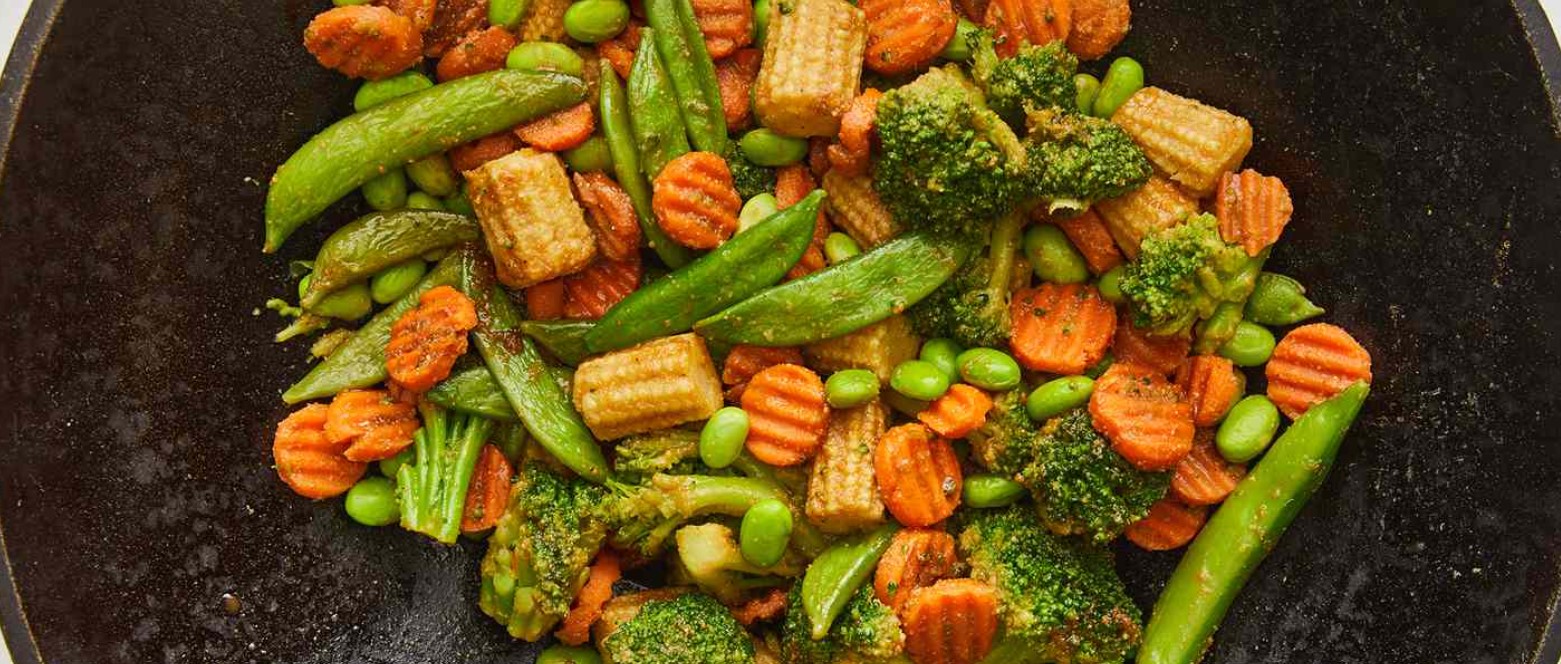
Stir-fried vegetables are a fantastic way to utilize the vegetables sitting in your fridge and create a delicious, quick meal. This versatile cooking method allows you to customize your stir-fry with a variety of vegetables, resulting in a flavorful and vibrant dish. The key to a successful stir-fry lies in the size of the cut vegetables and maintaining high heat throughout the process. Let’s dive into the recipe and explore the tips for a successful stir-fried vegetable dish.
MAKES: 4 servings
TIME: 15 minutes
INGREDIENTS:
- 2 tablespoons neutral oil, like grapeseed or corn
- 1 tablespoon minced garlic
- 1 tablespoon minced fresh ginger
- 1/2 cup chopped scallion or onion
- 1 large carrot, cut into pieces, sliced, or julienned
- 2 celery stalks, cut into pieces, sliced, or julienned
- 1 pound snow or snap peas, trimmed (thawed frozen peas are fine)
- 1/4 cup stock (or water), or a little more
- 2 tablespoons soy sauce
- 1 teaspoon dark sesame oil
INSTRUCTIONS:
- Heat a large, deep skillet over medium-high heat for 3 or 4 minutes. Add the oil and, almost immediately, add the garlic, ginger, and scallion. Cook, stirring, for about 15 seconds, until fragrant.
- Add the carrot, celery, snow peas, and stock to the skillet. Turn the heat to high and cook, stirring frequently, until the vegetables are tender, about 7 minutes. If the mixture becomes dry, add a couple tablespoons more stock.
- Stir in the soy sauce and dark sesame oil. Stir well to coat the vegetables evenly. Turn off the heat.
- Serve the stir-fried vegetables immediately or store them covered in the refrigerator for up to a day.
TIPS FOR SUCCESSFUL STIR-FRIED VEGETABLES:
- Cut vegetables into small pieces: The smaller you cut the vegetables, the faster they will cook. Aim for bite-sized pieces to ensure even cooking.
- Use high heat and a large skillet: A large, flat-bottomed skillet is ideal for stir-frying. Nonstick or well-seasoned cast iron skillets work well. Maintaining high heat throughout the cooking process helps achieve that desired crispness.
- Stir frequently: Stirring the vegetables almost constantly ensures even cooking and prevents them from sticking to the pan. However, if you want to promote searing and browning, stir less frequently.
- Parboil and shock denser vegetables: Some vegetables like broccoli stems, thick asparagus, and turnips may require pre-cooking to achieve tenderness. Parboil them briefly and then shock them in ice water to stop the cooking process before stir-frying.
- Add a little liquid: Incorporate a small amount of liquid, such as water, stock, or wine, during stir-frying. This helps cook the vegetables more quickly and creates a flavorful sauce.
- Experiment with additions: Enhance your stir-fried vegetables by adding other ingredients like bamboo shoots, water chestnuts, mushrooms, or corn kernels. These additions provide additional flavors and textures.
16 ADDITIONS TO STIR-FRIED VEGETABLES:
You can expand the variety of vegetables in your stir-fry by incorporating additional ingredients. Here are 16 options to consider:
- Bamboo shoots
- Water chestnuts
- Green beans
- Spinach
- Watercress
- Leeks
- Mushrooms
- Daikon
- Corn kernels
- Cabbage or bok choy
- Asparagus
- Zucchini or summer squash
- Bell pepper
- Soy or mung bean sprouts
- Broccoli or cauliflower
- Tomato
Feel free to mix and match these additions based on your preferences and availability. They add depth and complexity to your stir-fried vegetables, making each dish unique and flavorful.
Stir-fried vegetables are a quick and delicious way to incorporate a variety of vegetables into your meals. With these tips and additions, you can create endless variations of stir-fried vegetable dishes that are both nutritious and satisfying. Enjoy the vibrant flavors and textures of your homemade stir-fries!
