
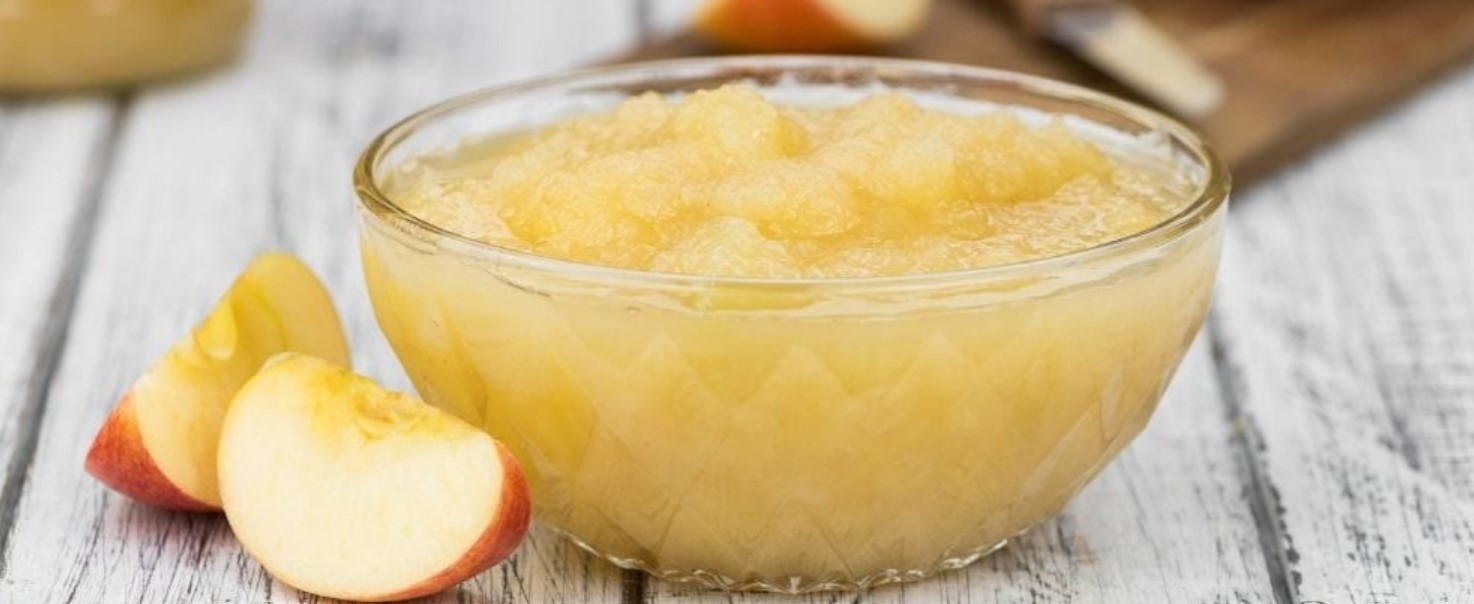
Applesauce, a versatile and comforting condiment, is often associated with its sweet and dessert-like qualities. However, I prefer a neutral approach that allows for the addition of savory seasonings, elevating this classic recipe to a whole new level. With a few simple ingredients and a little time, you can whip up a batch of delicious applesauce that can be enjoyed on its own or used in various dishes. This recipe yields about 2 quarts of applesauce, making it perfect for storing and freezing for later use.
A food mill is the preferred method for preparing applesauce, as it retains the skins’ flavor and color while eliminating the need for upfront peeling and coring. However, if you don’t have a food mill, don’t worry! You can still enjoy the delightful taste of homemade applesauce by peeling and coring the apples before cooking them. Feel free to experiment with different apple varieties to create a unique flavor profile.
Not limited to apples alone, this recipe allows you to explore other fruits like pears or cantaloupe, providing endless possibilities for delicious variations. Additionally, I’ve compiled a list of 10 great seasonings that you can add to your applesauce for a burst of flavor. From spicy elements like chiles to warm spices like nutmeg and cloves, these seasonings will cater to your taste preferences, whether you prefer sweet or savory flavors.
Discover the true essence of applesauce with this easy-to-make recipe that offers a neutral canvas for both sweet and savory seasonings. Applesauce, often considered a dessert-like condiment, can be transformed into a delightful accompaniment for various dishes. With the option to use a food mill or traditional peeling and coring, this recipe allows you to create a batch of about 2 quarts of applesauce, perfect for enjoying right away or freezing for later use.
MAKES: About 2 quarts
TIME: About 1 hour, largely unattended
INGREDIENTS:
- 5 pounds apples, preferably a mixture of varieties
- Salt
INSTRUCTIONS:
- Cut the apples in half or, if they are very large, into quarters. If you are using a food mill, no need to peel or core the apples. Otherwise, peel and core them before cooking. Place the apples in a large pot with about 1/2 inch of water and a pinch of salt. Cover the pot and turn the heat to medium.
- When the water starts to boil, uncover the pot. Cook the apples, stirring occasionally and lowering the heat if necessary to prevent burning on the bottom, until they break down and become mushy. This process usually takes at least 30 minutes. Allow the mixture to cool slightly.
- If you have a food mill, pass the cooked apples through it, discarding the solids that stay behind. If not, mash the apples using a fork or potato masher to achieve the desired consistency. You can then proceed to freeze or refrigerate the applesauce.
10 GREAT SEASONINGS FOR APPLESAUCE:
To add an exciting twist to your applesauce, consider incorporating any of the following seasonings. Start with a small amount (about a teaspoon) and adjust to taste after cooking.
- Freshly ground black pepper
- Ground cumin, coriander, caraway, or cardamom seeds
- Minced fresh chile (like jalapeño or Thai) or hot red pepper flakes or cayenne
- Chipotle chiles, dried or canned (with a little of their adobo sauce)
- Minced fresh ginger (works well with both savory or sweet variations)
- Granulated or brown sugar
- A grating of nutmeg
- Ground cloves or allspice
- Any spice blend
- Roasted Garlic (for a unique and savory twist)
With these seasoning options, you have the freedom to customize your applesauce to suit your taste preferences. Enjoy the endless possibilities of this classic condiment as it elevates your dishes to a whole new level of flavor and creativity. Whether you prefer it as a sweet treat or a savory delight, homemade applesauce is a versatile addition to any kitchen.
