
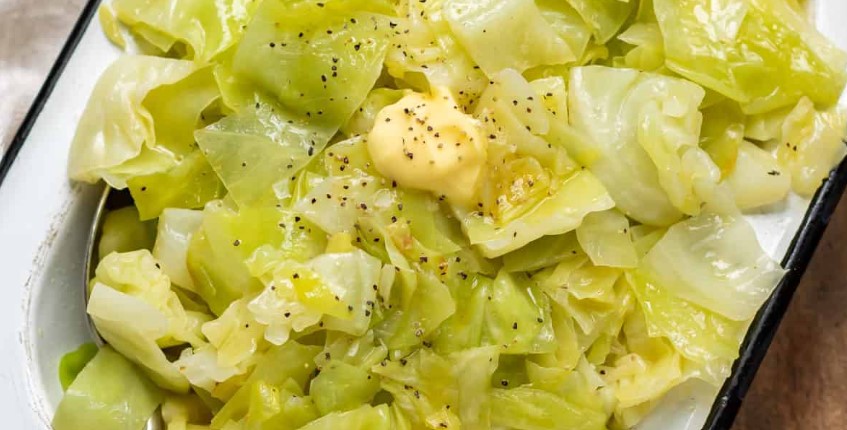
Pretty great for a two-ingredient vegetable dish, especially when you consider that everyone pooh-poohs cabbage. Start with Savoy, don’t overcook, and it’ll be simply delicious. For extra flavor, melt the butter with a clove of garlic, some minced shallot, or a little good paprika. Serve with other relatively plain dishes, like Boiled Potatoes, Simplest Whole Roast Chicken, Six Ways, or Chickpeas in Their Own Broth. Other vegetables you can use: Of course this is a basic vegetable preparation, but to keep it in the same spirit, think collards, kale, bok choy, and the like.
MAKES: 4 servings
TIME: 20 minutes
INGREDIENTS:
- Salt and freshly ground black pepper
- 2 to 4 tablespoons butter, to taste
- About 20 cabbage leaves (any kind)
INSTRUCTIONS:
- Set a medium to large pot of water to boil and season it well with salt.
- In a small saucepan over medium-low heat, melt the butter. You can enhance the flavor by adding a clove of garlic, minced shallot, or a sprinkle of good paprika to the melted butter if desired. Let the butter brown slightly for extra flavor, but be careful not to burn it.
- Once the water is boiling, add the cabbage leaves to the pot. Cook the cabbage, stirring occasionally, until it becomes tender, which should take about 5 minutes.
- Using tongs or a slotted spoon, remove the cooked cabbage from the pot and drain it well.
- Gently toss the drained cabbage with the melted butter, ensuring all the leaves are coated. Season with salt and freshly ground black pepper to taste.
- Serve the buttered cabbage as a side dish alongside other relatively plain dishes, such as Boiled Potatoes, Simplest Whole Roast Chicken, or Chickpeas in Their Own Broth.
TIPS:
Here are some tips to help you make Buttered Cabbage:
- Choose the right cabbage: While this recipe works with any kind of cabbage, using Savoy cabbage is recommended for its tender texture and delicate flavor. However, feel free to use the cabbage variety you prefer or have on hand.
- Don’t overcook the cabbage: To keep the cabbage tender and flavorful, be careful not to overcook it. Cooking it for about 5 minutes, until it becomes tender, should be sufficient. Overcooking can result in mushy cabbage.
- Enhance the flavor with additional ingredients: While the recipe calls for just two ingredients (cabbage and butter), you can add extra flavor by melting the butter with a clove of garlic, minced shallot, or a sprinkle of good paprika. These additions can elevate the taste of the dish.
- Season to taste: Season the buttered cabbage with salt and freshly ground black pepper according to your preference. Taste and adjust the seasoning as needed to enhance the flavors.
- Serve with complementary dishes: Buttered cabbage pairs well with relatively plain dishes like boiled potatoes, roast chicken, or dishes with subtle flavors. Consider serving it alongside these dishes for a well-rounded meal.
- Draining the cabbage: After cooking, make sure to drain the cabbage well to remove excess water. This will prevent the dish from becoming watery.
- Toss gently with melted butter: To evenly coat the cabbage leaves with butter, toss them gently with the melted butter. Be careful not to break the cabbage leaves during the tossing process.
- Experiment with variations: While the recipe focuses on cabbage, you can also try this method with other leafy greens such as collards, kale, or bok choy. These variations can add a unique twist to the dish.
- Adjust the amount of butter: The recipe suggests using 2 to 4 tablespoons of butter, but you can adjust the amount to suit your taste and dietary preferences. Start with a smaller amount and add more if desired.
Enjoy your buttered cabbage, and feel free to customize it to your liking using these tips!
NOTE:
- This recipe works best with Savoy cabbage, but you can use any kind of cabbage you prefer. The key is not to overcook the cabbage to retain its delicious flavor and texture. Feel free to experiment with different seasonings or variations by using collards, kale, bok choy, or similar leafy greens. Enjoy!
